Carillon’s Approach To Learning
-
We use standardized inventories and observation in a 1:1 assessment session to determine each student’s decoding, reading comprehension, and spelling/writing skills before the school year begins. We also assess phonological skills and phonics pattern knowledge for each student. These provide comprehensive data that drives the education plan for each student.
Throughout the school year, we provide individual and small group phonological instruction, helping students strengthen their ability to hear, segment, and blend sounds in single and multi-syllable words. Students develop strong decoding and spelling skills as they complete Orton-Gillingham-based readers and workbooks as well as hands-on activities, games, and online assignments.
Early writers learn the basics of letter, word, and sentence formation. Emerging writers use individually designed student reading and writing journals to practice the skills of passage reading and responding to questions, looking back for information, and summarizing text. We weave writing instruction through our grammar and sentence structure curriculum, group book reading responses, social studies and science projects, and our Read, Write, and Cook program, where students learn to answer questions and write paragraphs based on hands-on activities they complete in the kitchen.
-
Grade-level and skill-specific assessments in math determine each student’s individual instruction for math education. For example, if a third-grade student is still working to master addition and subtraction, they will be given instruction at that level, but they will also be taught third grade material such as the geometry of four-sided shapes and beginning multiplication and division. Math instruction is structured in a short group lesson followed by individual or paired work with students who are working on specific skills. Manipulatives, videos, worksheets, and online programs are used to teach specific math skills and to close individual gaps in learning.
-
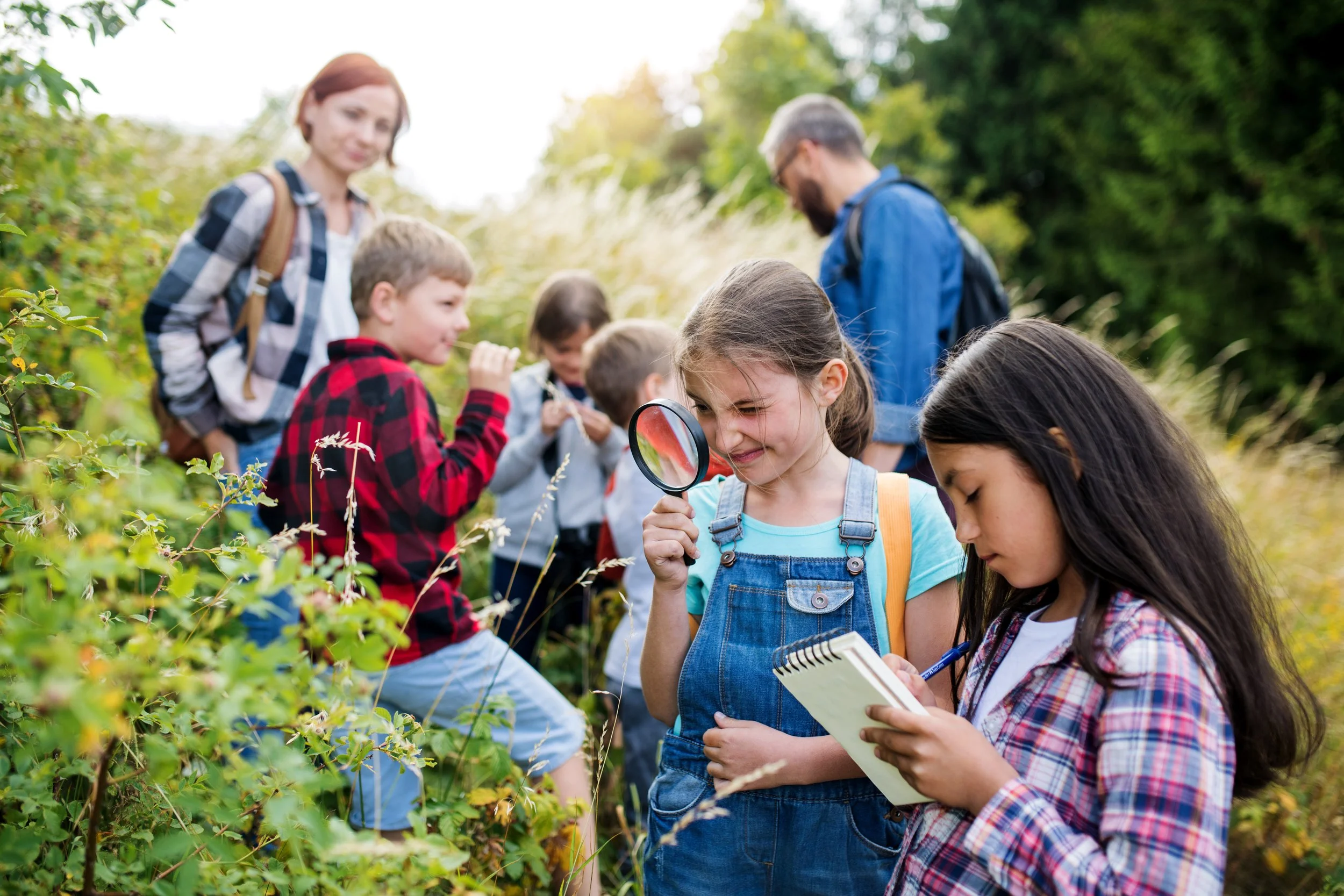
Carillon’s multi-grade science curriculum consists of projects, videos, field trips, written work, and class discussion. Students learn the basics of science exploration through topics such as magnetic and electrical fields, ecosystems, chemical reactions, and scientific methods.
In social studies, students study topics such as U.S. history, world geography, and culture. Culture studies are often correlated to cooking projects or field trips which provide a hands-on experience for students. Students also engage with online games, books, maps, and videos to learn social studies concepts and to complete research projects related to topics of study.
-
We weave our learning topics through our extracurriculars, which include the following:
Art
Music and music history
Read, write, and cook culinary program
PE and nature walks
Video and board gaming
Field trips and library trips
Holiday celebrations, such as pumpkin carving, Valentines party, and winter holiday cookie decorating
Snack store for practice with money counting, making change, and economics
-
Social learning is integrated throughout each day and is also taught specifically in our morning meetings through group discussions, video examples, class book discussions, and learning games. Negotiation and cooperative engagement are taught through paired study projects and games. Students also learn practical skills through cooking, planning class celebrations, and cooperative clean-up of learning areas.
-
Through a partnership with Becky Balog at Adapt & Grow, students at Carillon Academy have the option of receiving Occupational Therapy services each week in the school setting. Student occupational therapy goals in areas such as handwriting, self-regulation, or movement activities are integrated throughout the school day.